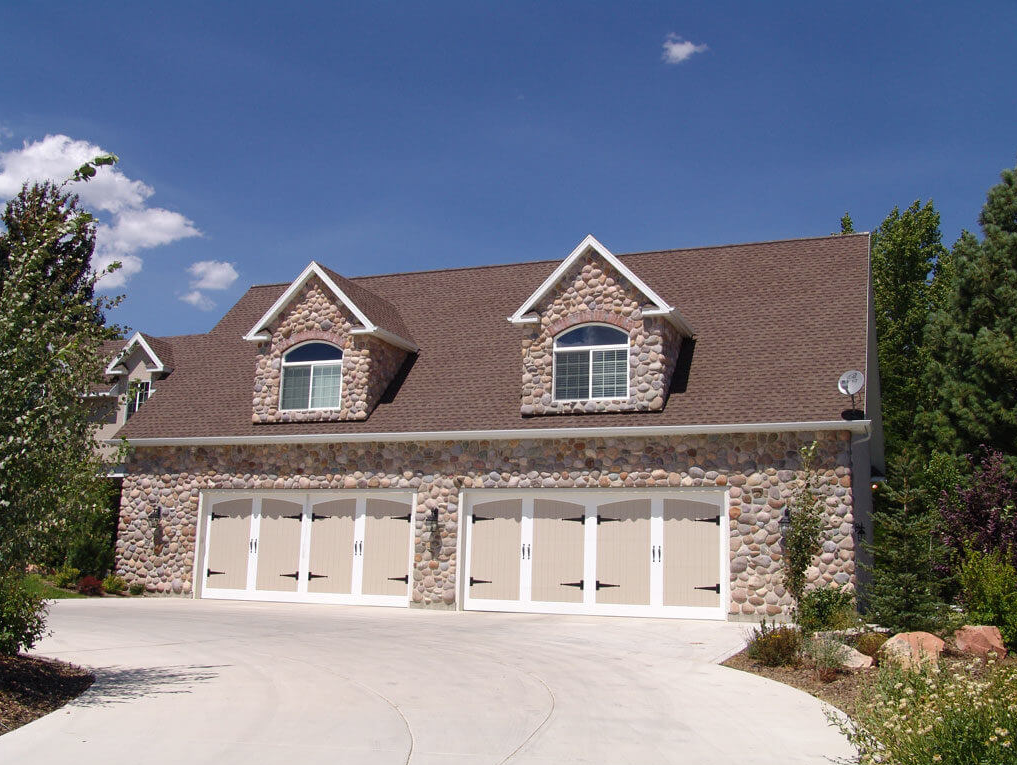
A commercial garage door that works every day without problems is easy to take for granted. It opens, it closes, trucks come and go, and nobody thinks about it. But when that door fails, operations stop. Deliveries get delayed. Employees cannot access loading docks. Security is compromised. And the emergency repair bill is almost always more expensive than routine maintenance would have been.
At Crystal Overhead Door, we maintain and repair commercial garage doors for businesses across Chicago, from warehouses and distribution centers to restaurants, retail storefronts, and fire stations. The businesses that keep their doors in good shape spend less over time and deal with far fewer disruptions. Here is what a solid commercial maintenance plan looks like and why it matters.
Why Commercial Doors Need More Attention Than Residential Ones
Commercial garage doors operate on a completely different scale than residential doors. A typical homeowner opens and closes their garage door two to four times a day. A busy warehouse or loading dock might cycle its doors 30, 50, or even 100 times a day. That kind of volume puts massive stress on springs, cables, rollers, tracks, and openers.
Commercial doors are also heavier and larger than residential models. Rolling steel doors, sectional overhead doors, high-speed doors, and fire-rated doors all have specific maintenance requirements that differ from what a standard residential garage door needs. Skipping maintenance on a commercial door does not just risk inconvenience. It risks safety violations, OSHA compliance issues, and liability exposure.
What Commercial Garage Door Maintenance Includes
Visual Inspection
Every maintenance visit should start with a full visual inspection of the door, tracks, springs, cables, rollers, hinges, weather seals, and the opener system. A trained technician will look for signs of wear, corrosion, misalignment, fraying cables, cracked rollers, and damaged panels. In Chicago, where road salt, moisture, and temperature swings accelerate wear, visual inspections catch problems early before they turn into failures.
Lubrication
Moving parts need lubrication to operate smoothly and to reduce friction-related wear. Rollers, hinges, spring bearings, and the chain or belt on the opener should all be lubricated on a regular schedule. Using the wrong lubricant, or skipping it entirely, causes parts to grind against each other and fail faster. For high-cycle commercial doors, this is one of the simplest and most cost-effective maintenance tasks.
Spring and Cable Inspection
Springs and cables carry the weight of the door and are under constant tension. On a commercial door that cycles dozens of times a day, these components wear out faster than anything else. A snapped spring or cable can bring a heavy commercial door crashing down, which is a serious safety hazard. Regular inspection includes checking spring tension, looking for signs of fatigue or corrosion, and verifying that cables are properly seated on the drums.
Track Alignment and Roller Condition
Tracks that are bent, loose, or misaligned cause the door to bind, scrape, or operate unevenly. Rollers that are cracked, chipped, or worn create noise and put additional strain on the opener. Both should be checked and adjusted at every maintenance visit. For high-traffic commercial doors, nylon rollers tend to last longer and run quieter than steel, and they do not require lubrication.
Opener and Motor Service
The opener motor on a commercial door works harder than most people realize. Motor mounts, gears, limit switches, safety sensors, and electrical connections should all be inspected regularly. A failing opener does not always go out all at once. It often starts with slower operation, unusual sounds, or intermittent failures. Catching these signs during scheduled maintenance avoids a full breakdown during business hours.
Weather Seal Replacement
Bottom seals and side seals keep out water, debris, pests, and cold air. In Chicago, where winter conditions are harsh, worn seals let snow and moisture into the facility, which can damage inventory, create slip hazards, and increase heating costs. Replacing worn seals is a low-cost maintenance item that prevents expensive problems down the line.
How Often Should Commercial Doors Be Serviced?
The right maintenance schedule depends on how frequently the door is used. Here are general guidelines based on what we recommend for Chicago businesses:
Low-traffic doors (fewer than 10 cycles per day): Twice per year is usually sufficient. This applies to storage facilities, smaller retail spaces, and office buildings with a single overhead door.
Medium-traffic doors (10 to 50 cycles per day): Quarterly maintenance is the standard. Restaurants with roll-up patio doors, mid-size warehouses, and automotive shops typically fall into this category.
High-traffic doors (50-plus cycles per day): Monthly or bi-monthly service is recommended. Large distribution centers, fire stations, and high-volume loading docks need this level of attention. High-speed doors in these environments have their own set of components that wear faster and need frequent checks.
OSHA requires employers to maintain workplace equipment in safe operating condition, and garage doors fall under that umbrella. The International Door Association recommends at least annual professional inspections for all commercial overhead doors, with more frequent service for high-use applications.
The Cost of Skipping Maintenance
Reactive maintenance, meaning you wait until something breaks and then call for an emergency repair, almost always costs more than a planned service schedule. Here is why.
Emergency service calls cost more. After-hours and same-day commercial repairs in Chicago carry premium labor rates, typically 1.5 to 2 times the standard rate.
Downtime is expensive. If a loading dock door fails during business hours, every hour it is down costs the business in delayed shipments, idle workers, and disrupted schedules. For a busy warehouse, that can add up to thousands of dollars per incident.
Cascading failures. A worn roller that goes unchecked can damage the track. A fraying cable can snap and damage the door panel. One neglected component often takes another one with it, turning a $200 fix into a $2,000 repair.
Liability. If a commercial door fails and injures an employee, customer, or delivery driver, the business faces potential OSHA fines and legal exposure. Documented maintenance records show that the business took reasonable steps to keep the equipment safe.
What to Look for in a Commercial Maintenance Provider
Not every garage door company handles commercial work well. Commercial doors are more complex, heavier, and subject to stricter regulations than residential doors. Here is what to look for:
Experience with your door type. Rolling steel, sectional, high-speed, fire-rated, and counter doors all have different maintenance needs. Make sure the provider has hands-on experience with your specific equipment.
Licensing and insurance. In Illinois, your maintenance provider should carry liability insurance and workers’ compensation coverage. Ask for proof before signing a service agreement.
OSHA familiarity. Your provider should understand OSHA requirements for commercial overhead doors and be able to document inspections and repairs in a way that supports your compliance records.
Transparent reporting. After every visit, you should receive a written report of what was inspected, what was found, what was fixed, and what may need attention at the next visit. This documentation protects your business and keeps everyone on the same page.
Crystal Overhead Door has been servicing commercial overhead doors in Chicago for decades. We work with warehouses, restaurants, retail spaces, fire departments, and industrial facilities across the metro area. We provide detailed maintenance reports after every visit and can set up a recurring service plan matched to your door’s usage. Check out our gallery to see examples of the commercial doors we install and maintain.
Frequently Asked Questions
How often should commercial garage doors be inspected?
At minimum, once per year by a professional technician. Doors that cycle more than 10 times per day should be inspected quarterly. High-traffic doors with 50-plus daily cycles should be serviced monthly or bi-monthly. The International Door Association recommends professional inspection at least annually for all commercial doors.
What are the most common commercial garage door problems?
Worn springs and cables, misaligned tracks, damaged rollers, failing openers, and deteriorated weather seals are the most common issues. In Chicago, salt corrosion and freeze-thaw damage add additional wear that makes regular maintenance even more important.
How much does commercial garage door maintenance cost?
A single maintenance visit for a standard commercial overhead door in Chicago typically costs between $150 and $350 depending on the size and type of door. Recurring service plans with quarterly or monthly visits often come at a discounted per-visit rate. That investment is significantly less than an emergency repair, which can run $500 to $2,000 or more.
Does OSHA require garage door maintenance?
OSHA does not have a specific standard for garage doors, but the General Duty Clause requires employers to keep the workplace free from recognized hazards. A malfunctioning commercial door is a recognized hazard. Documented maintenance records demonstrate compliance and reduce liability in the event of an inspection or incident.
Can you upgrade commercial garage door hardware without replacing the whole door?
In many cases, yes. Upgrading to high-cycle springs, corrosion-resistant hardware, nylon rollers, or a new garage door opener can extend the life of an existing commercial door significantly. Crystal Overhead Door can assess your current hardware and recommend targeted upgrades.
Keep Your Business Running with Crystal Overhead Door
A commercial garage door that goes down during business hours costs more than the repair bill. It costs you time, productivity, and credibility with customers and partners. Scheduled maintenance keeps the door running, keeps your facility safe, and keeps your costs predictable.
Crystal Overhead Door provides commercial maintenance plans for businesses of every size across Chicago. Contact us or call 773-219-2146 to set up a maintenance schedule or request a free assessment of your current doors.
References
International Door Association. “Commercial Door Maintenance Guidelines.” https://www.doors.org
OSHA. “General Duty Clause, Section 5(a)(1).” https://www.osha.gov/laws-regs/oshact/section5-duties