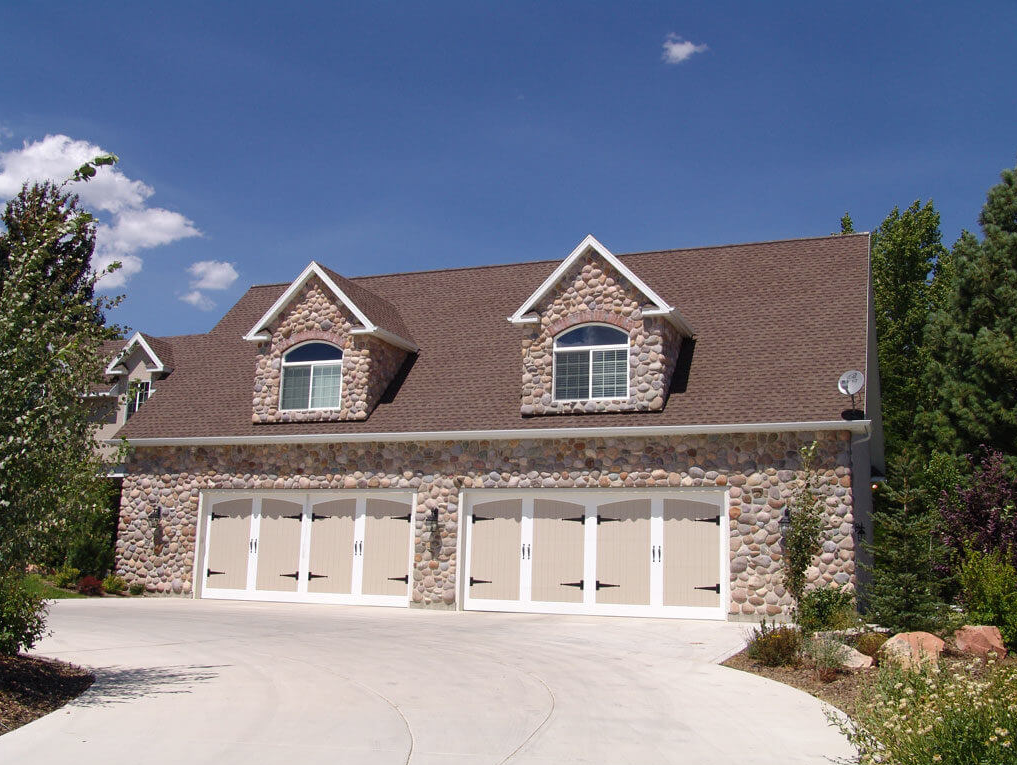
A garage door takes up a big chunk of your home’s front face. Some estimates put it at nearly 30% of what people see from the street, which means the door you pick has a real effect on curb appeal, home value, and daily function. If you are shopping for a new garage door in Chicago, the decision comes down to a few key factors: material, insulation, style, and who installs it.
At Crystal Overhead Door, we have spent over 50 years combined helping Chicago homeowners find the right fit. Here is what we recommend thinking through before you buy.
Why Your Garage Door Choice Matters More Than You Think
Most homeowners do not spend a lot of time thinking about their garage door until it fails or starts looking rough. But the door you choose affects more than appearance. In a city like Chicago, where temperatures regularly drop below zero in January and push into the 90s by July, the right door keeps your garage warmer in winter, cooler in summer, and quieter year-round.
A new garage door also delivers one of the highest returns on investment for any home improvement project. According to Remodeling Magazine’s 2024 Cost vs. Value Report, a garage door replacement recoups roughly 194% of its cost at resale. That is a better return than a kitchen remodel, a new roof, or a bathroom renovation.
Garage Door Materials: Pros, Cons, and What Works in Chicago
The material you choose determines how the door looks, how long it lasts, and how much maintenance it needs. Here is a rundown of the most common options we install. For a deeper comparison of each option, visit our garage door materials page.
Steel
Steel is the most popular garage door material in the Chicago area, and for good reason. It holds up well against wind, cold, and daily wear. Modern steel doors come in a wide range of panel designs and can be paired with insulation for improved energy efficiency. They require minimal upkeep compared to wood and are available at a variety of price points. The main downside is that steel can dent, and in salty, wet conditions, it may develop rust spots over time if the finish gets scratched. A quality coating and occasional cleaning go a long way toward preventing that.
Wood
Wood garage doors have a warmth and character that other materials cannot match. They work especially well on older homes, craftsman-style builds, and properties where curb appeal is a priority. However, wood doors require consistent maintenance, including staining or painting every few years, and they are more susceptible to warping and rot in Chicago’s freeze-thaw cycles. They also tend to be heavier, which means the opener has to work harder. If you are drawn to the look of wood but want less maintenance, some steel doors offer convincing wood-grain finishes.
Aluminum
Aluminum doors are lightweight and naturally resistant to rust, which makes them a solid choice for Chicago’s wet seasons. They are easy to operate and available in modern, clean-lined designs. On the other hand, aluminum dents more easily than steel and offers less insulation on its own. If you want an aluminum door in a climate with cold winters, pairing it with an insulated core is worth the added cost.
Fiberglass
Fiberglass is lightweight, low-maintenance, and resistant to dents and corrosion. Some fiberglass doors mimic the look of natural wood grain at a lower price point. The trade-off is that fiberglass can become brittle in extreme cold, which is worth noting for a Chicago home where sub-zero days are not uncommon. Fiberglass is a better fit for moderate climates or for homeowners willing to accept that risk in exchange for its other benefits.
Glass and Aluminum (Full-View)
Full-view glass doors framed in aluminum are a popular choice for modern homes, indoor-outdoor entertaining spaces, and commercial properties. They flood the garage with natural light and create a sleek, contemporary look. Frosted or tinted glass options provide privacy. Insulation is the main limitation here, though insulated glass panels do exist for homeowners who want the look without sacrificing too much energy efficiency. Take a look at our gallery to see examples of full-view doors we have installed across Chicago.
Insulation and Energy Efficiency
In Chicago, insulation matters. An uninsulated garage door can let freezing air pour into your garage, which affects the temperature in any rooms above or adjacent to the space. If you use your garage as a workshop, gym, or storage area for anything temperature-sensitive, insulation is not optional.
Garage door insulation is measured by R-value. Higher R-values mean better thermal resistance. Polystyrene insulation (the rigid foam panels you will find in many mid-range doors) offers decent protection. Polyurethane insulation, which is injected and expands to fill the entire panel, offers significantly higher R-values and also adds structural strength to the door. For Chicago homes, we recommend an R-value of at least R-12, and R-16 or higher if the garage is attached to the house. According to the U.S. Department of Energy, insulating your garage door can reduce energy loss and lower heating costs in cold climates.
Picking a Style That Fits Your Home
Beyond material and insulation, the panel design and style of your garage door should complement your home’s architecture. A carriage house style looks great on traditional and farmhouse homes. Raised panel doors are a versatile, classic option that works on most homes. Flush panel doors lean modern and pair well with contemporary builds. Full-view glass doors suit modern and mid-century homes.
Color matters too. Many manufacturers offer a wide range of factory-applied finishes, and some allow custom color matching. If you are replacing an older door, this is a chance to update the entire look of your home’s exterior. Browse our residential garage doors page for style options and ideas.
Single vs. Double Garage Doors
If your garage has a two-car opening, you have a choice between one double-wide door and two single doors. A single double-wide door is the more common and usually more affordable option. Two single doors give you a more traditional look and add some redundancy, meaning if one door has an issue, you can still use the other. The choice often comes down to aesthetic preference and budget. Either way, make sure your opener is rated for the size and weight of the door you choose.
What to Look for in a Garage Door Installer
The door itself is only half the equation. A poorly installed garage door will cause problems no matter how much you spend on the door. Here are a few things to look for when choosing an installer:
Experience with your specific door type and material. Proper licensing and insurance in the state of Illinois. A written warranty on both parts and labor. A willingness to walk you through options without pushing the most expensive product. Transparent pricing with no surprise fees after the job starts.
Crystal Overhead Door is a family-owned company that has been installing and repairing garage doors in Chicago for decades. We also handle gate installs for properties that need them. Our team will help you pick the right door, give you an honest price, and make sure the installation is done correctly the first time.
Frequently Asked Questions
What is the best garage door material for cold weather?
Steel with polyurethane insulation is the best combination for cold climates like Chicago. It provides high R-values, stands up to wind and snow, and requires minimal maintenance. Wood is also a strong insulator but needs more upkeep to handle freeze-thaw cycles.
How much does a new garage door cost in Chicago?
A standard steel garage door with insulation typically costs between $1,000 and $3,500 installed, depending on size, style, and insulation level. Wood and custom doors can run higher. Crystal Overhead Door provides free estimates so you can get an accurate number for your home.
Do insulated garage doors make a difference?
Yes. In a climate like Chicago’s, an insulated garage door can reduce energy loss, lower heating bills, and keep your garage 10 to 20 degrees warmer in winter compared to an uninsulated door. The difference is especially noticeable if you have living space above or next to the garage.
What garage door style adds the most curb appeal?
Carriage house doors and full-view glass doors tend to have the biggest visual impact. But the right answer depends on your home’s architecture. A well-matched raised panel door on a colonial home can look better than a trendy style that does not fit the house.
How long does a garage door installation take?
Most installations take between three and five hours, including removal of the old door. Custom doors or more complex setups may take longer. Our team handles everything, from removal to installation to testing, in a single visit.
Find the Right Garage Door with Crystal Overhead Door
Choosing a garage door is a bigger decision than most people expect, but it does not have to be stressful. Our team at Crystal Overhead Door has the experience to walk you through every option, from materials and insulation to style and budget, and help you land on the right choice for your Chicago home.
Request a free estimate or call us at 773-219-2146 to get started.
References
Remodeling Magazine. “2024 Cost vs. Value Report.” https://www.remodeling.hw.net/cost-vs-value
U.S. Department of Energy. “Insulation.” https://www.energy.gov/energysaver/insulation