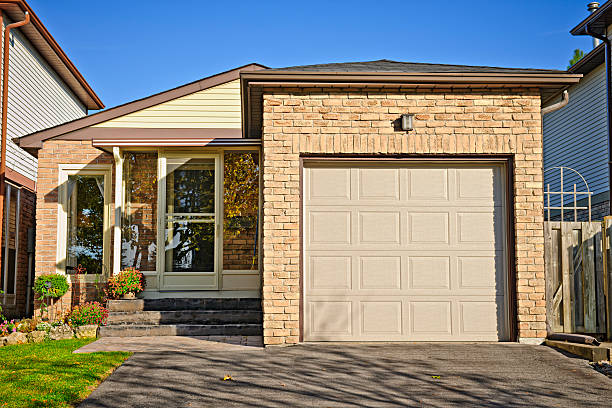
When Chicago temperatures drop, garage doors can go from “working fine yesterday” to “stuck today.” If your garage door won’t open in a Chicago winter, the cause is usually something predictable: ice at the bottom seal, condensation on safety sensors, thickened lubricant, or an opener that’s struggling because the door is heavier than it should be.
Cold weather changes how metal moves, how rubber grips, and how electronics behave. Weather conditions can also affect garage door movement and may require occasional adjustments, especially when temperatures shift.
Below is a clear breakdown of the most common winter failures we see across Chicagoland, plus safe checks you can do quickly before scheduling professional repair.
Chicago Winter Is Hard on Garage Doors
Chicago winters pile multiple stressors onto one system: cold air, moisture, salt, and rapid temperature swings. Even a well-maintained door can run into trouble when everything tightens up and traction changes overnight.
Cold temperatures affect metal, rubber, and lubricants
- Metal can contract in low temperatures, making tracks and hardware feel tighter than normal.
- Rubber bottom seals can stiffen and grip the floor more aggressively.
- Lubricants can thicken and stop protecting moving parts the way they do in warmer weather, which increases friction.
Ice, slush, and salt create extra friction and buildup
Ice buildup at the threshold, snow packed near the tracks, or salt residue on sensor lenses can cause the door to reverse, stall, or refuse to close.
If the door is stuck right now, start with garage door repair in Chicago so we can get you scheduled quickly.
The Most Common Winter Problems That Stop Garage Doors
Winter issues tend to show up in a few repeatable ways. These are the top culprits.
Frozen bottom seal or door stuck to the floor
This is one of the most common Chicago winter problems. Moisture at the threshold freezes, bonding the rubber seal to the concrete. The opener tries to lift, senses resistance, and stops or reverses.
What you may notice:
- The opener hums but the door barely moves.
- The door lifts an inch or two and stops.
- You see ice along the bottom edge.
Thickened lubricant and dry rollers causing binding
Cold temperatures can make lubricant less effective, especially if the door has old grease and debris buildup. Hinges, rollers, bearings, and springs need the right lubricant in the right amount.
Clopay recommends using a silicone-based spray lubricant or lithium grease spray made for garage door components, and warns against using WD-40 as a substitute lubricant. (Clopay Garage Doors)
Photo eye sensors blocked by snow, salt, or condensation
If your garage door won’t close in winter, safety sensors are often involved. Overhead Door’s guidance points out that sensor lenses can develop a fine film of condensation in cold weather that disrupts the connection and prevents the door from closing. (Overhead Door Company)
What you may notice:
- The door closes partway, then reverses.
- The opener lights flash.
- One sensor LED looks dim or flickers.
Opener strain from a heavy, unbalanced door
In winter, an already-worn spring can finally give up. When springs weaken, the opener has to do more work than it was built for.
A key warning sign:
- The door feels unusually heavy when you lift it manually.
If the door suddenly feels heavy, stop using it and schedule residential garage door repairs. Spring and cable problems can become unsafe fast.
Weak batteries in remotes and keypads
Batteries lose performance in cold weather. That can make keypads and remotes work intermittently, especially first thing in the morning or late at night.
What you may notice:
- The keypad works sometimes, then stops.
- The remote range is suddenly shorter.
- The wall button works reliably, but the remote does not.
Contracting metal leads to tight tracks, misalignment, or noisy movement
Minor misalignment that was barely noticeable in fall can become a bigger issue in deep cold. A door that rubs, scrapes, or binds may slow down and trigger opener safety logic.
Fast, Safe Checks Homeowners Can Do First
Winter garage door problems are frustrating, but a few checks are safe and can save time. These are the same basic steps we recommend before sending a technician.
Confirm the lock is not engaged and check power
- Confirm the manual lock is not engaged, if your door has one.
- Confirm the opener is plugged in and the breaker is on.
- If there’s a GFCI outlet, reset it if it’s tripped.
Clear and align safety sensors, then wipe lenses
- Remove snow, slush, or salt spray near the sensors.
- Wipe the lenses gently with a soft cloth.
- Make sure both sensors face each other and are not bumped out of alignment.
Condensation on the lenses can break the sensor connection in cold weather, which can stop the door from closing. (Overhead Door Company)
Gently clear ice at the bottom seal
- Use a plastic scraper to clear ice at the threshold.
- Avoid chipping aggressively at the seal.
- Do not force the opener to “power through” resistance.
Listen for signs of a spring issue and stop if the door feels heavy
If you hear a loud bang, see a gap in the spring, or feel heavy resistance, stop. That’s not a quick fix. Book service through contact Crystal Overhead Door and we’ll take it from there.
When a Winter Garage Door Issue Is Not DIY
Some winter issues are safe to check, but others should never be attempted without training and proper tools.
Broken springs, loose cables, or a door off track
These are high-risk conditions. A door off track can fall or bind unpredictably. Cables under tension can snap. Springs store significant energy.
If you suspect a spring issue, schedule service right away and avoid using the opener.
Opener grinding, repeated reversing, or a burning smell
If the opener strains repeatedly, you risk motor damage. A burning smell can indicate the opener is overheating under load. That usually means the door is unbalanced, frozen, or binding.
If you need opener service or replacement options, our team can help with garage door openers.
Why forcing the door can damage the opener and panels
When a door is frozen or unbalanced, forcing it can:
- Burn out gears and motor components.
- Bend door sections at the top bracket area.
- Pull rollers out of the track.
A short service call is almost always cheaper than repairing a damaged opener and a bent panel.
Winter Maintenance That Prevents Breakdowns
A little maintenance before and during winter makes a big difference, especially in Chicago’s freeze-thaw cycles.
Choose the right lubricant and keep moving parts clean
The International Door Association recommends lubricating the garage door semi-annually and applying a small amount of spray lubricant to hinges, rollers, and tracks. (Doors)
Clopay also recommends silicone-based spray or lithium grease spray intended for garage doors. (Clopay Garage Doors)
Practical tips:
- Use a garage-door-specific lubricant.
- Wipe off old grime before applying new lubricant.
- Apply lightly, then cycle the door to distribute.
Check weatherstripping, bottom seal, and track area
- Replace cracked bottom seals and brittle side seals.
- Keep the threshold area clear so ice does not build up where the seal meets the floor.
Test balance and safety reversal features
A balanced door should stay in place when lifted partway. If it drops or shoots up, spring tension may be off. Safety reversal and photo eye sensors should also be tested regularly for safe operation.
Schedule a seasonal tune-up before the cold sets in
If your door is older, noisy, or slow, winter will expose weaknesses. A tune-up can reduce emergency breakdown risk when the temperature is at its worst.
If the door is due for replacement, we can also help with residential garage door installations.
What Professional Winter Service Typically Includes
When we come out for winter garage door service, the goal is simple: restore safe, reliable operation and reduce repeat failures.
Balance check, spring inspection, and hardware tightening
We inspect springs, cables, brackets, and fasteners, then confirm the door is properly balanced and lifting evenly.
Track alignment check and roller inspection
We check track condition and alignment, inspect rollers and bearings for wear, and correct binding points that worsen in cold weather.
Opener force settings, sensor testing, and safety review
Chamberlain Group notes that weather can affect door movement and may require adjustments. (Chamberlain Group Support)
We test sensor performance, confirm alignment, and verify opener behavior so the door closes safely without reversing unexpectedly.
For property managers and businesses, we also support commercial garage doors when winter conditions disrupt operations.
Why Chicago Homeowners Call Crystal Overhead Door
When winter hits, reliability matters. We handle the common cold-weather failures quickly, and we focus on fixes that hold up under Chicago conditions.
What you can expect:
- Clear diagnosis and safe repair recommendations.
- Full-system checks that reduce repeat problems.
- Service across Chicagoland for residential and commercial doors.
Before you book, it’s also worth checking current special offers when they’re available.
Get Your Garage Door Working Again Today
If your door is frozen, reversing, refusing to close, or suddenly feels heavy, the safest move is to schedule professional service. Winter problems often start small, but they can strain the opener and damage door sections if ignored.
Book help now through schedule an appointment or request pricing through request a quote. We’ll restore safe operation and help you avoid the next cold-weather breakdown.